Experience Our Cultural Village

South Africa is often called the Rainbow Nation, a term coined by Archbishop Desmond Tutu to describe the country’s rich mix of people, languages, and traditions. 

Discover the heartbeat of South Africa at our Cultural Village!

Experience our rich cultural diversity through traditional music, dance, food, and storytelling — all in one unforgettable setting in Dinokeng Game Reserve, Gauteng.

The nation’s diversity is reflected in its 11 official languages, many ethnic groups, and a blend of African, European, Asian, and mixed heritage communities.

The Black African Cultures make up the majority of the population and include several distinct ethnic groups, each with unique traditions, languages, and social structures, namely Zulu, Xhosa, BaSotho, Venda, Tsonga and Ndebele.
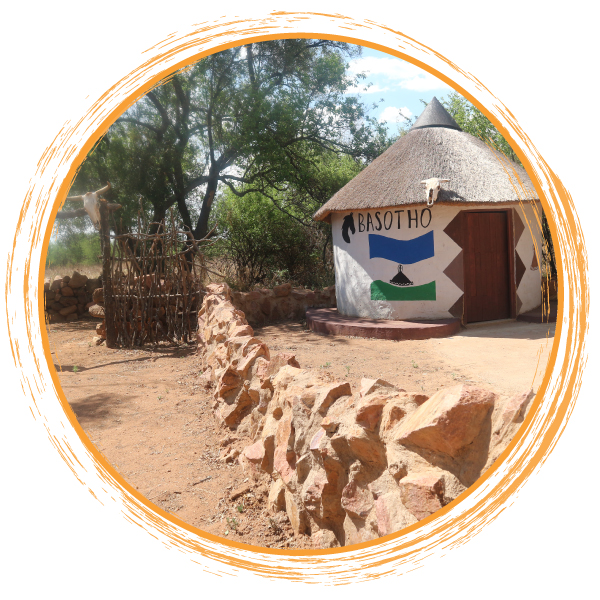
Basotho Culture:

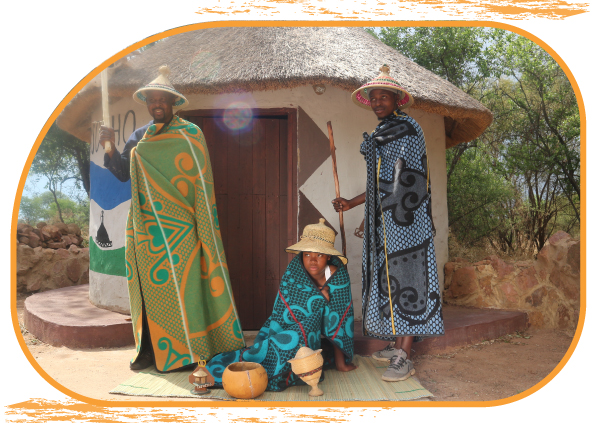
Basotho-house-King-Moshoeshoe

The history of the Basotho people originate back to the 5th centuries. In the 19th century under the leadership of king Moshoeshoe.

King Moshoeshoe established a strong nation that was able to retain its independence from colonel powers and the kingdom of Lesotho was established independently in 1966.

Basotho-culture-clothing-basotho-house

Xhosa Culture:

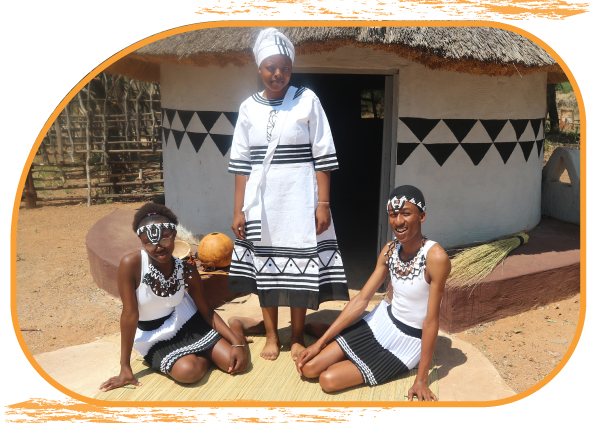
Xhosa-culture-clothing

The Xhosa Nation Originated from the Nguni people who migrated from central and northern Africa.

Their history is shaped by the oral traditions of the AmaXhosa clans, a kingdom founded by Tshwe.

The Xhosa language is part of the Nguni language group with element of khoisa influence, particularly the characteristic click sounds.

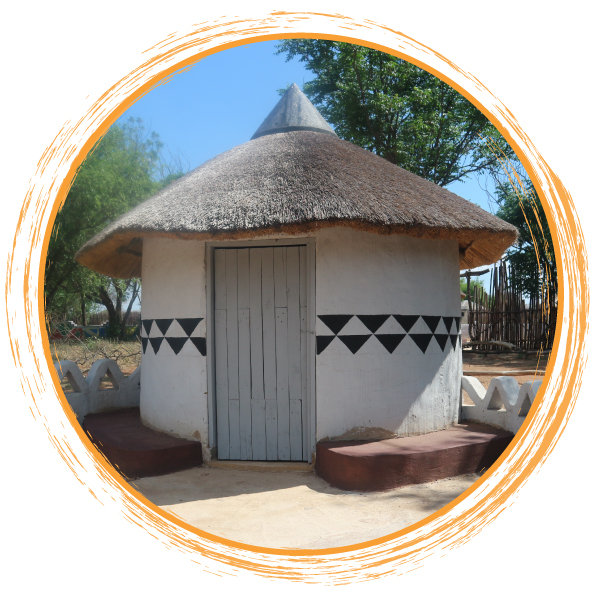
Xhosa-hut

Zulu Culture:

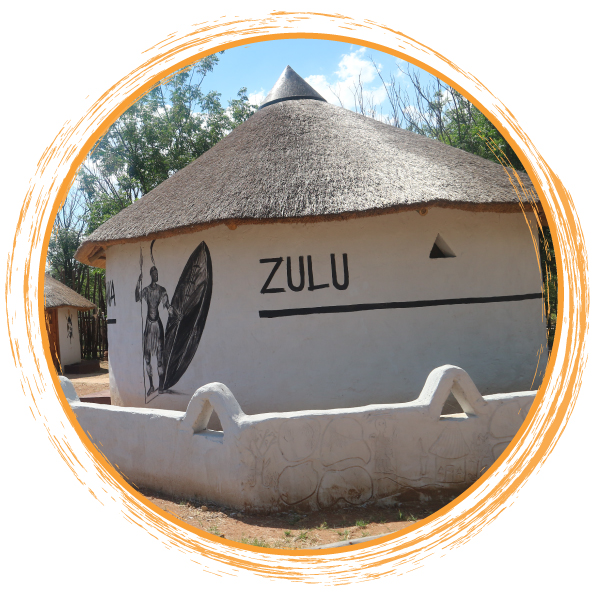
Zulu-hut

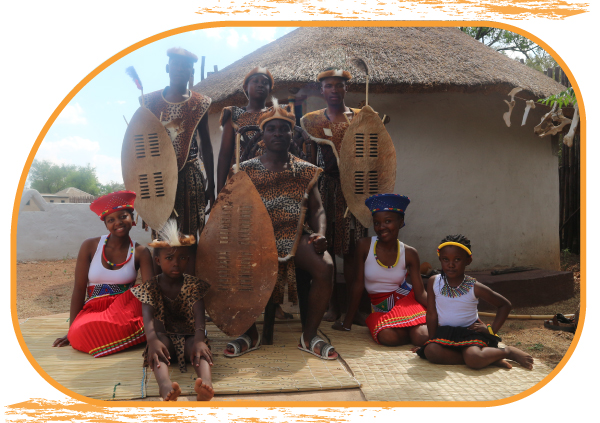
Zulu nation originally a minor/ small clan Nguni speaking that emerged around the 16th century in what is now called KwaZulu-Natal. Founded in 1574 by Kamalandela. (IZulu which means heaven / weather.)

Zulu nation gained expansion in the early 19th century under the leadership of king Shaka

Zulu-culture-clothing

Swati Culture:

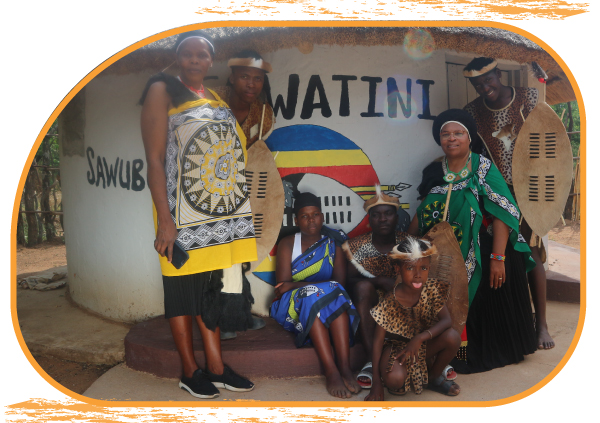
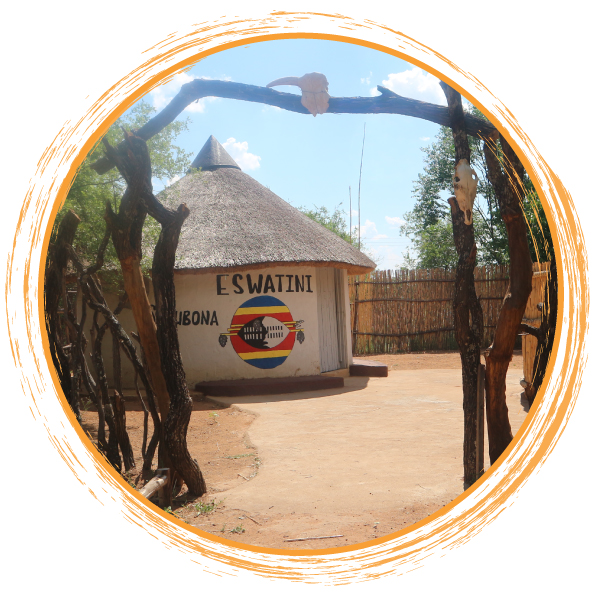
The history of the Swati people their migration from central Africa around the 15th and 16th century settling in what is now called Eswatini. Their nation was formed under king Ngwane3th and the nation grew through the consolidation of various clans, primarily the Dlamini clan.

The Swati nation comes from the late king Mswati the 2th who ruled in the 19th century and expanded the kingdom.

Swati-culture-clothing
Swati-hut

Tsonga Culture:

Tsonga-hut

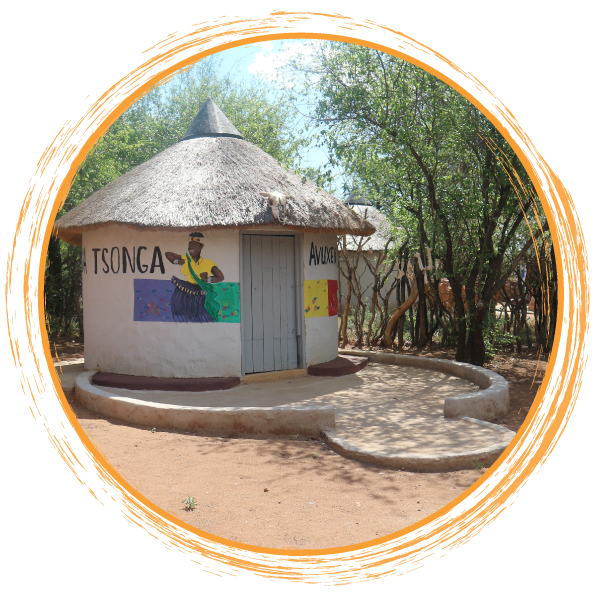
The history of the Tsonga people marked to have migration, conflict and assimilation particularly in the 19th century. The Tsonga people believed to have migrated from central Africa to fertile lands of Mozambique.

The Tsonga people have a rich cultural heritage and have faced challenges like colonialism and displacement while advocating for their rights.

Tsonga-culture-clothing

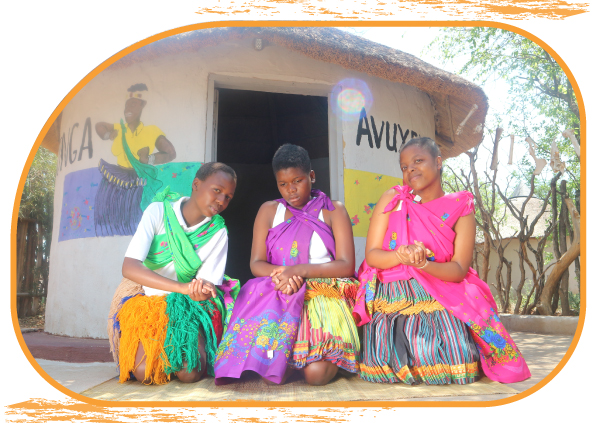
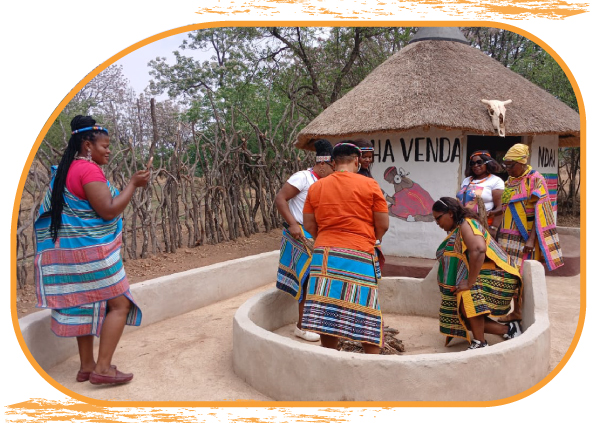
Venda Culture:

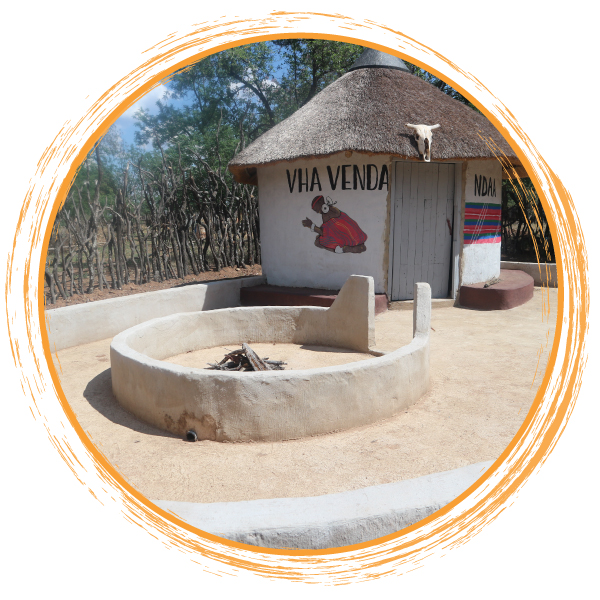
The history of the Venda people originated from the Mapungabwe kingdom around the 9th century before migrating south of the Limpopo River to their current home in South Africa Limpopo province.

The Venda people are known for their unique culture, which include a strong spiritual connection to ancestors and water, as well as rich traditions in music, dance and rituals.

Venda-culture-clothing
Venda-hut